




Color harmony plays a crucial role in sustainable home design in the modern era. As people become more conscious of the environmental impact of their lifestyle choices, incorporating harmonious color schemes into the design of their homes has become a popular trend. This article will explore the importance of color harmony in sustainable home design and provide useful tips on achieving it in modern-era home designs.
The Importance of Color Harmony in Sustainable Home Design
Color harmony is not only aesthetically pleasing but also has a significant impact on our emotions and overall well-being. In sustainable home design, selecting colors that work together harmoniously can create a cohesive and inviting atmosphere while reducing the need for excessive energy consumption. By consciously choosing an appropriate color palette that complements the natural environment, homeowners can create a space that is both visually appealing and environmentally friendly.
Harmonious color schemes in sustainable home design can also enhance the use of natural light. Lighter colors reflect natural light more effectively, reducing the need for artificial lighting during the day. This not only minimizes energy consumption but also promotes a healthier living environment by increasing exposure to natural light, known to boost mood and productivity. Additionally, color harmony can be achieved by incorporating eco-friendly materials and finishes, such as low-VOC paints and sustainable textiles, which further contribute to a more sustainable home design.
Tips for Achieving Color Harmony in Modern Era Home Designs
-
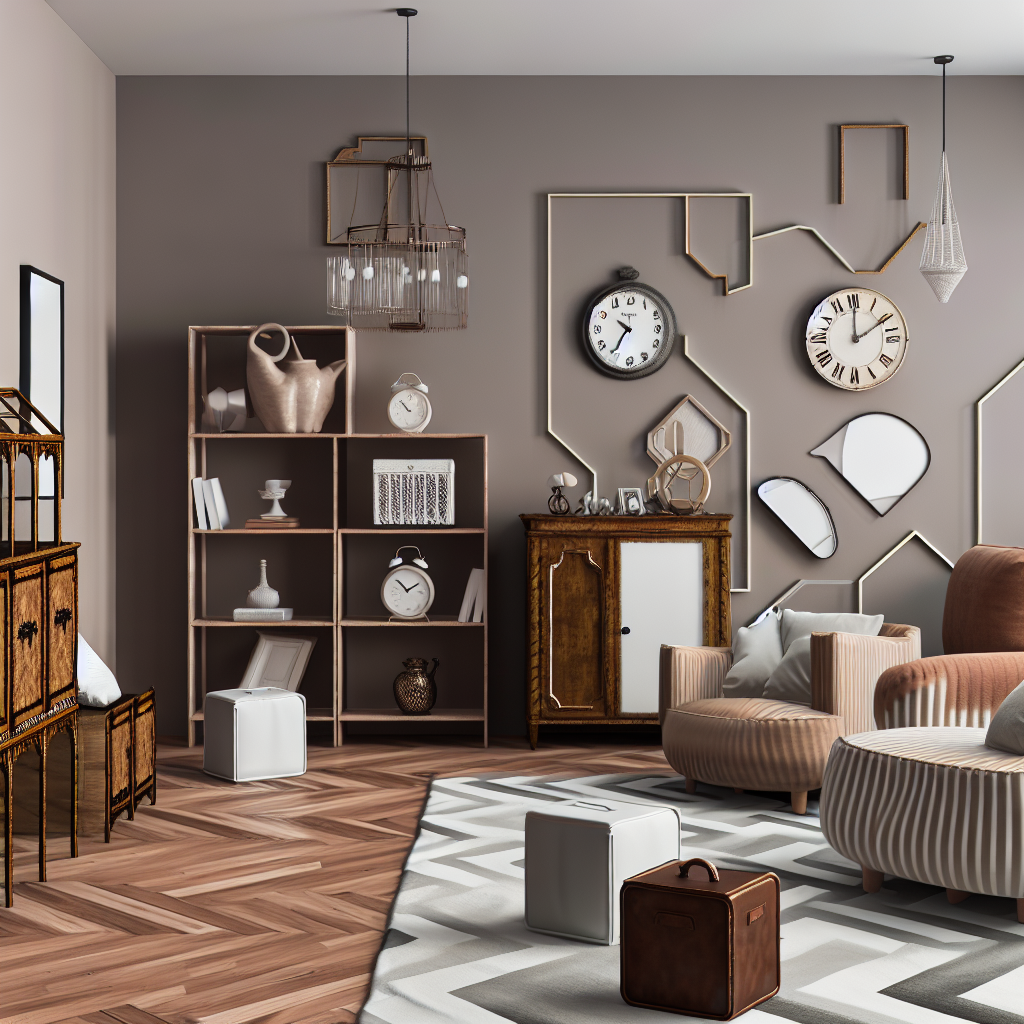
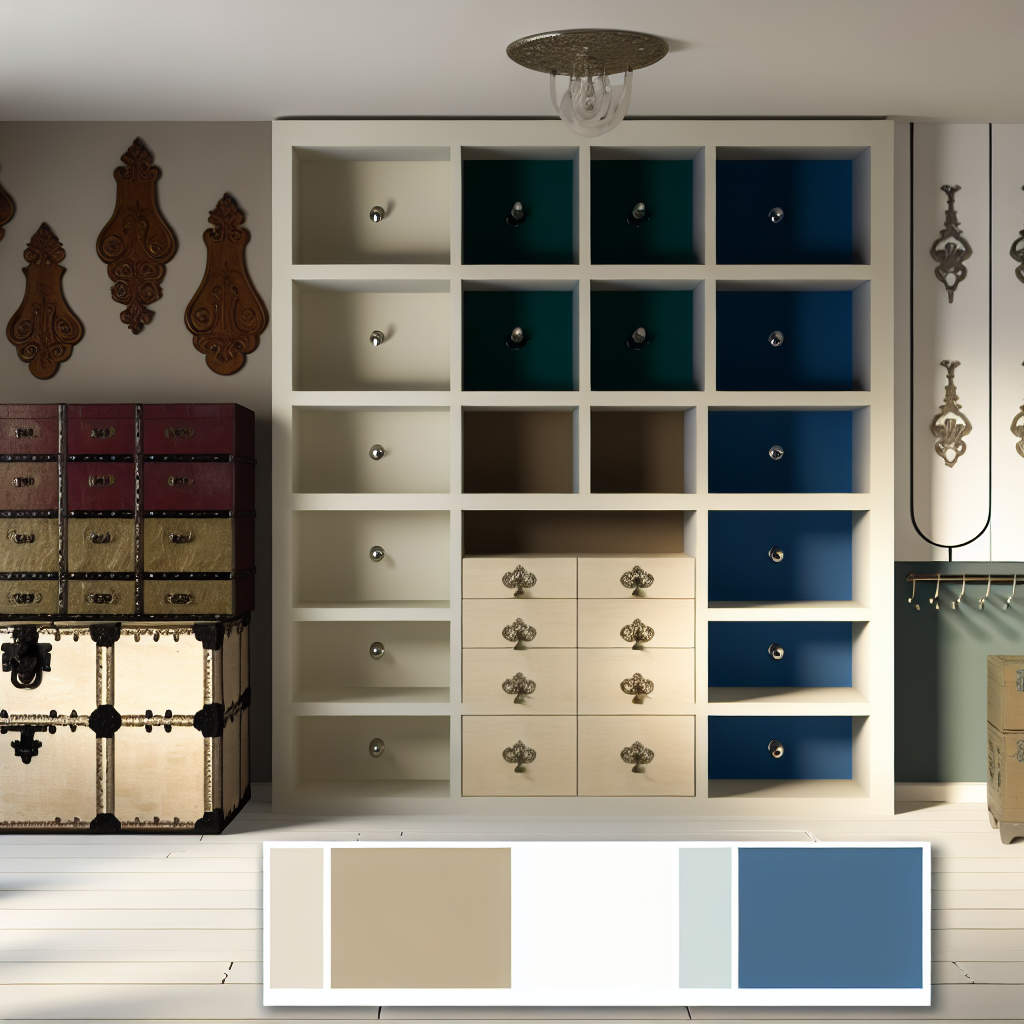
Nature-inspired color palettes: Drawing inspiration from the natural world is an excellent starting point for achieving color harmony in modern-era home designs. Earthy tones like greens, browns, and blues can create a sense of calm and serenity, while also connecting the indoors with the outdoors. By incorporating these colors into the home, either through paint choices or textiles, a harmonious and sustainable environment can be achieved.
-
Accent colors for visual interest: To add visual interest and depth to a sustainable home design, incorporating accent colors can be a great strategy. However, it is crucial to ensure that these accent colors complement the overall color scheme rather than overpowering it. Opting for neutral or muted tones in accent elements such as furniture, artwork, or decorative pieces can create a balanced and harmonious look.
-
Embrace natural light: Maximizing natural light is a key aspect of sustainable home design. Consider the orientation of your home and choose lighter colors for walls and furniture to reflect and amplify natural light. In addition to using lighter colors, strategic placement of mirrors and windows can enhance the flow of natural light throughout the space, creating a bright and inviting atmosphere.
Achieving color harmony in sustainable home design is a vital aspect of creating a visually pleasing and environmentally friendly living space. By selecting colors that work together harmoniously, incorporating nature-inspired palettes, and maximizing natural light, homeowners can create a modern-era home design that is both aesthetically pleasing and sustainable. Embracing color harmony in home design not only benefits the environment but also enhances our overall well-being and quality of life.